Test strips measure the concentration of sanitizing solution, ensuring its effectiveness in killing harmful germs. By providing a quick and accurate reading, these strips play a crucial role in maintaining proper hygiene standards. Understanding what do test strips measure in the sanitizing solution is essential for businesses and individuals alike, especially in food service or healthcare settings where cleanliness is paramount. Let’s delve deeper into the significance of these tiny yet powerful tools.

Understanding What Test Strips Measure in the Sanitizing Solution
The Importance of Sanitizing Solutions
In our daily lives, we often encounter situations where we need to ensure that surfaces and objects are free from harmful germs and bacteria. Sanitizing solutions play a crucial role in keeping our surroundings clean and safe from potential health risks. However, simply using a sanitizing solution is not enough; it is essential to monitor and maintain the effectiveness of these solutions. This is where test strips come into play.
Introducing Test Strips
Test strips are small, disposable strips that are designed to measure the concentration of sanitizing solutions. These strips contain special chemicals that change color based on the pH level or the concentration of specific substances in the solution being tested. By using test strips, individuals can quickly and easily determine whether their sanitizing solutions are at the right concentration to effectively eliminate germs and bacteria.
What Test Strips Measure
Test strips are specifically designed to measure the concentration of certain chemicals in sanitizing solutions. The most common types of test strips are:
1. pH Test Strips
pH test strips are used to measure the acidity or alkalinity of a solution. In the case of sanitizing solutions, pH levels play a critical role in determining the effectiveness of the solution in killing germs. A pH level that is too high or too low can impact the sanitizing power of the solution, making it less effective at killing bacteria and viruses.
2. Chlorine Test Strips
Chlorine test strips are used to measure the chlorine concentration in sanitizing solutions. Chlorine is a common disinfectant used in various sanitizing products, such as bleach and pool sanitizers. Ensuring the correct chlorine concentration is essential to guarantee the sanitizing solution’s effectiveness in killing harmful microorganisms.
3. Quaternary Ammonium Test Strips
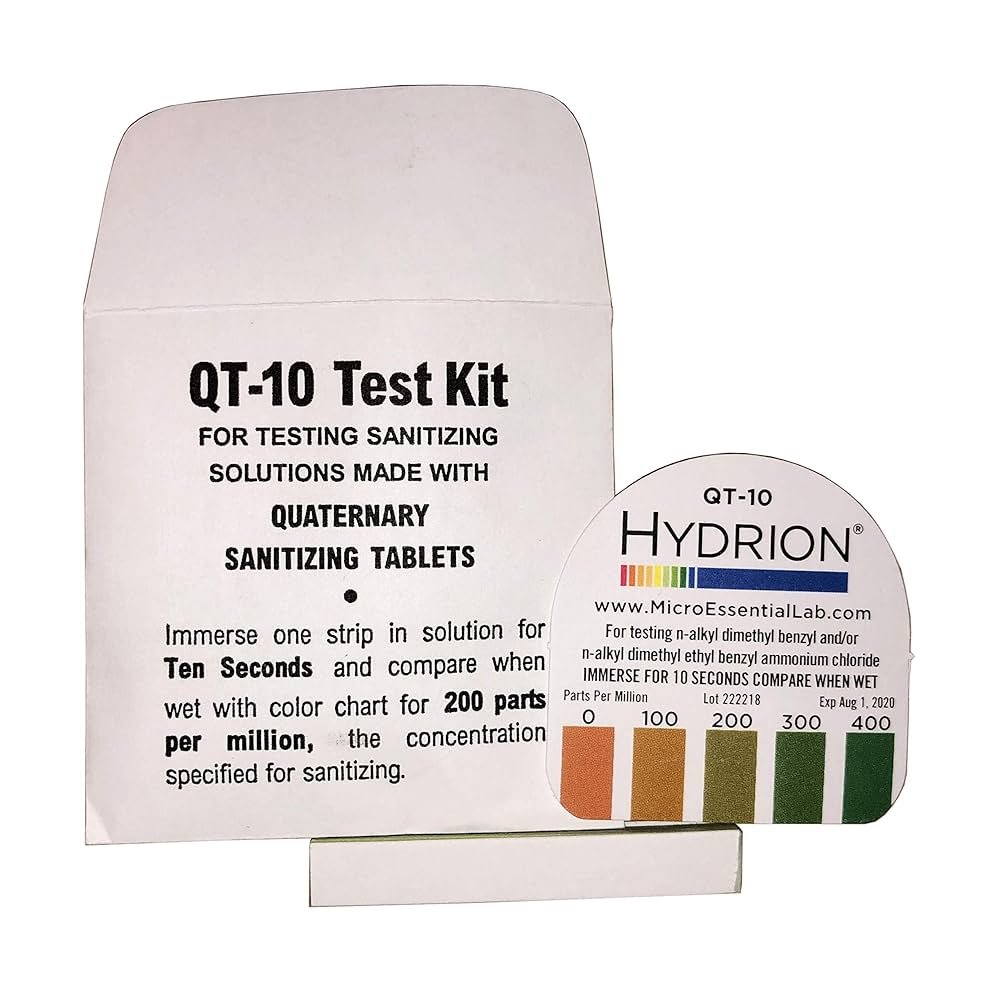
Quaternary ammonium test strips are designed to measure the concentration of quaternary ammonium compounds in sanitizing solutions. These compounds are widely used as disinfectants in commercial and industrial settings. Monitoring the quaternary ammonium concentration is crucial to ensure that the sanitizing solution remains effective in killing germs and bacteria.
How to Use Test Strips
Using test strips is a simple process that can be done by following these steps:
1. Dip the test strip into the sanitizing solution.
2. Wait for the specified amount of time as mentioned in the instructions.
3. Compare the color change on the test strip with the color chart provided by the manufacturer.
4. Based on the color comparison, determine whether the concentration of the sanitizing solution is within the recommended range.
Benefits of Using Test Strips
There are several benefits to using test strips to measure sanitizing solutions:
– **Accuracy**: Test strips provide a quick and accurate way to assess the concentration of sanitizing solutions.
– **Cost-Effective**: Test strips are affordable and can be used multiple times, making them a cost-effective tool for monitoring sanitizing solutions.
– **Convenience**: Test strips are easy to use and do not require any specialized training or equipment.
In conclusion, test strips play a vital role in ensuring the effectiveness of sanitizing solutions. By measuring the concentration of key chemicals in the solution, test strips help individuals maintain a clean and germ-free environment. Regularly monitoring and adjusting sanitizing solutions based on test strip results is essential in preventing the spread of infections and promoting overall health and well-being. So, the next time you reach for that bottle of sanitizing solution, remember the importance of test strips in keeping you and your surroundings safe from harmful germs.
How to Use Sanitizer Test Strips
Frequently Asked Questions
What exactly do test strips measure in a sanitizing solution?
Test strips measure the concentration of sanitizing agents, such as chlorine or quaternary ammonium compounds, in the solution. These agents are responsible for killing bacteria, viruses, and other pathogens present on surfaces.
How do test strips determine the effectiveness of a sanitizing solution?
Test strips change color or provide a numerical value based on the amount of sanitizing agent present in the solution. This color or value corresponds to a specific concentration range that indicates whether the solution is at the appropriate strength for sanitizing purposes.
Why is it important to regularly use test strips in sanitizing solutions?
Regularly using test strips ensures that the sanitizing solution remains at the correct concentration to effectively kill harmful microorganisms. Without proper monitoring, the solution may become too diluted or too concentrated, reducing its effectiveness.
Final Thoughts
Test strips measure the sanitizing solution’s concentration of chemicals like chlorine or quaternary ammonium compounds. It is crucial to regularly use these strips to ensure the solution’s effectiveness in killing harmful bacteria and viruses. By regularly monitoring the sanitizing solution with test strips, you can maintain a safe and hygienic environment. Remember, what test strips measure in the sanitizing solution directly impacts the overall cleanliness and safety of your surroundings.