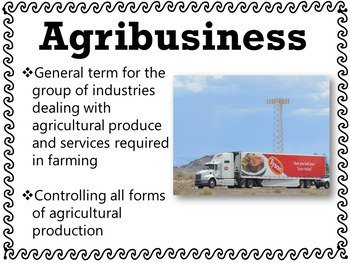
Agribusiness AP Human Geography delves into the intersection of agriculture and business within a geographical context. It examines the economic, social, and environmental aspects of agricultural production and distribution on a global scale. This study sheds light on how agribusiness impacts human populations, resource management, and land use patterns. Through analyzing agribusiness within the framework of human geography, we gain insights into the complex relationship between agriculture and society. Let’s explore the dynamic world of agribusiness AP Human Geography and unravel its significance in shaping our interconnected world.

Exploring Agribusiness in AP Human Geography
Welcome to our blog post where we delve into the fascinating world of agribusiness in AP Human Geography. In this comprehensive guide, we will break down what agribusiness is, its significance in human geography, and how it impacts our daily lives. So, grab your farming hat, and let’s embark on this educational journey together!
The Basics of Agribusiness
Agribusiness is a term that combines agriculture and business, referring to the various activities involved in the production, processing, and distribution of agricultural products. In simpler terms, it’s the business of farming and everything that comes with it. From planting seeds to selling crops in the market, agribusiness encompasses a wide range of operations that contribute to the food we eat.
Agribusiness involves not only farmers but also agribusiness firms, researchers, marketers, and policymakers who work together to ensure the efficiency and sustainability of agricultural practices.
Agribusiness and Human Geography
In the realm of AP Human Geography, agribusiness plays a crucial role in shaping the way humans interact with their environment and each other. Understanding agribusiness allows us to comprehend how agricultural activities influence population distribution, economic development, and cultural practices around the world.
Through the lens of human geography, we can analyze how agribusiness impacts urbanization, land use, and food security in different regions. It helps us make sense of the complex web of connections between agriculture, society, and the environment.
The Components of Agribusiness
Agricultural Production
At the core of agribusiness is agricultural production, which involves cultivating crops and raising livestock for food and other products. Farmers are the key players in this stage, utilizing various techniques to maximize yields and meet market demands.
Agroprocessing
Agroprocessing refers to the processing of raw agricultural products into consumable goods. This includes activities like milling wheat into flour, canning fruits, and packaging meat products. Agroprocessing adds value to agricultural products and extends their shelf life.
Agribusiness Marketing
Marketing is a crucial aspect of agribusiness, as it involves promoting and selling agricultural products to consumers. From branding to distribution, marketing strategies play a vital role in connecting farmers with buyers and ensuring the profitability of agribusiness operations.
Agribusiness Finance
Finance is another essential component of agribusiness, as it deals with managing the financial aspects of agricultural operations. This includes securing loans, managing budgets, and investing in new technologies to improve productivity and efficiency.
The Impact of Agribusiness on Society
Agribusiness has far-reaching effects on society, influencing everything from food prices to employment opportunities. By examining the social implications of agribusiness, we can gain insights into how agricultural practices shape our daily lives and the global economy.
For example, agribusiness can impact food security by determining access to nutritious and affordable food options. It also influences rural development by creating jobs and supporting local economies in agricultural regions.
Challenges and Opportunities in Agribusiness
Despite its importance, agribusiness faces various challenges, such as climate change, resource scarcity, and market volatility. These challenges present opportunities for innovation and sustainable practices within the agricultural sector.
By adopting technology, implementing eco-friendly farming methods, and improving supply chain management, agribusiness can overcome hurdles and create a more resilient and productive food system for the future.
Conclusion: Nurturing Agribusiness for a Sustainable Future
As we conclude our exploration of agribusiness in AP Human Geography, we’ve uncovered the intricate web of relationships between agriculture, business, and society. Agribusiness not only feeds our bodies but also nourishes our understanding of the interconnected world we live in.
By studying agribusiness through the lens of human geography, we gain a deeper appreciation for the complexities of food production and distribution. As we continue to navigate the challenges and opportunities in agribusiness, let’s strive to cultivate a sustainable future where agriculture thrives and communities flourish.
Thank you for joining us on this educational journey through the realms of agribusiness in AP Human Geography. Stay curious, stay engaged, and remember, the seeds we plant today will shape the harvest of tomorrow!
Agribusinesses & Family Farms [AP Human Geography Unit 5 Topic 7] (5.7)
Frequently Asked Questions
What does agribusiness refer to in AP Human Geography?
Agribusiness in AP Human Geography refers to the integrated system of agricultural production, distribution, and processing involving commercial firms. It encompasses activities such as farming, processing, packaging, marketing, and selling agricultural products on a large scale.
How does agribusiness impact the global economy?
Agribusiness plays a significant role in the global economy by contributing to food security, employment opportunities, and economic growth. It influences trade relations between countries, shapes agricultural policies, and affects the prices of food commodities on the international market.
What are the key components of agribusiness in the context of AP Human Geography?
The key components of agribusiness in AP Human Geography include agricultural production, agro-processing industries, marketing and distribution networks, supply chain management, and support services such as financing, technology, and research. These components work together to ensure efficient and profitable operations within the agricultural sector.
Final Thoughts
In conclusion, Agribusiness in AP Human Geography refers to the integration of agriculture and business practices to maximize efficiency and profit. It encompasses the entire supply chain, from production to distribution. Understanding agribusiness is crucial for analyzing food systems and their impact on global economics and societies. It connects human activities with geographic factors, shaping landscapes and influencing agricultural practices. Agribusiness in AP Human Geography plays a key role in shaping modern food production and consumption patterns worldwide.