The unmistakable groan of a cracked engine block is not something any car owner wants to hear. It’s a sound that can send shivers down your spine and make your heart race with worry. Often described as a loud, deep knocking noise, what does a cracked engine block sound like exactly? Imagine a relentless, metallic thud that seems to come from deep within the core of your vehicle. If you’re hearing this ominous sound, it’s crucial to address it promptly to prevent further damage and ensure your car’s longevity.

What Does a Cracked Engine Block Sound Like: Signs and Symptoms Explained
Welcome, young car enthusiasts, to an exciting journey into the heart of your car’s engine! Today, we are going to explore a fascinating puzzle: What does a cracked engine block sound like? Have you ever wondered if your car could talk to you through its noises? Well, it turns out that it can, and those strange sounds might be trying to tell you something important about your engine’s health. Let’s dive in and unravel the mystery together!
The Heartbeat of Your Car: Understanding Engine Blocks
Before we can decipher the language of engine sounds, it’s crucial to understand the role of the engine block in your car’s inner workings. Imagine the engine block as the heart of your car, pumping life into all its parts. The engine block is where the magic happens – where fuel mixes with air and ignites to power your vehicle. It’s a sturdy metal structure that houses cylinders, pistons, and other essential components that keep your car running smoothly.
The Story of a Crack: How and Why Engine Blocks Crack
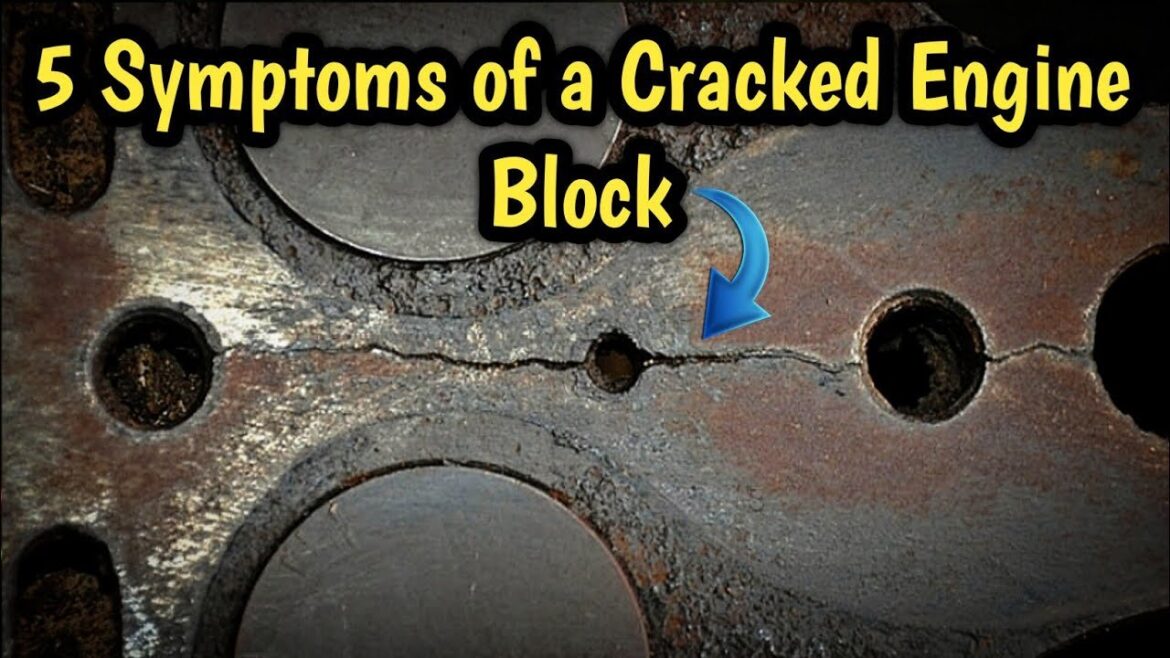
Just like our bones can break under pressure, engine blocks can develop cracks due to various reasons. High temperatures, freezing weather, or even a manufacturing defect can weaken the metal and lead to fractures. When a crack forms in the engine block, it’s like a tiny fault line running through its core, disrupting its ability to function properly. This can cause serious damage to your car if left untreated.
Symptoms of a Cracked Engine Block
Now, let’s get to the heart of the matter: How do you know if your car’s engine block has a crack? One of the most telling signs is the sounds that your engine makes. Remember, your car might be trying to communicate with you through these noises, so pay close attention!
Listening to the Tale: Recognizing Cracked Engine Block Sounds
So, what does a cracked engine block sound like? Picture this: a rhythmic, repetitive knocking or tapping noise coming from under the hood. It’s as if your car is trying to tell you that something is amiss deep within its core. These sounds can be alarming, but they serve as vital clues that shouldn’t be ignored.
When you start your car, listen for any unusual sounds that don’t belong in the usual hum of the engine. A cracked engine block might produce a distinct knocking sound that gets louder as you accelerate. It’s like a drumbeat of warning, urging you to take action before the situation worsens.
Other Signs to Watch Out For
Aside from the ominous knocking, a cracked engine block might reveal itself through other symptoms as well. Keep an eye out for:
- Overheating: If your car’s temperature gauge spikes unexpectedly, it could be a sign of a cracked engine block causing coolant leaks.
- Loss of Power: A crack in the engine block can disrupt the combustion process, leading to a loss of power and performance.
- White Smoke: If you notice white smoke coming from your exhaust, it could indicate coolant leaking into the combustion chamber due to a crack.
Decoding the Message: Why You Shouldn’t Ignore Engine Noises
Now that we’ve learned to recognize the sounds of a cracked engine block, it’s crucial to understand why you shouldn’t ignore them. Your car is not just a machine; it’s a complex system that relies on each part working in harmony. A cracked engine block can jeopardize this delicate balance and lead to costly repairs if left unchecked.
By listening to your car’s warning signs, you can catch potential issues early and prevent further damage. Ignoring strange engine noises could result in a breakdown or, in extreme cases, permanent damage to your car.
What to Do If You Suspect a Cracked Engine Block
If you suspect that your car’s engine block may be cracked based on the sounds and symptoms we’ve discussed, don’t panic! Here’s what you should do:
- Visit a trusted mechanic: A professional will be able to diagnose the issue accurately and recommend the necessary repairs.
- Address the problem promptly: Ignoring a cracked engine block can lead to more severe damage, so don’t delay getting it fixed.
- Consider your options: Depending on the extent of the damage, your mechanic will advise you on the best course of action, whether it’s repair or replacement.
The Final Note: Taking Care of Your Car’s Heart
As we conclude our exploration into the world of cracked engine blocks and the sounds they produce, remember that your car’s health is in your hands. By paying attention to the messages it sends through its noises, you can prolong its life and keep it running smoothly for years to come.
So, next time you hear an unfamiliar knocking under the hood, don’t just brush it off. Listen closely, decode the sounds, and take action to ensure that your car’s heart – its engine block – remains strong and healthy. Happy driving!
Top 7 Symptoms of a Cracked Engine Block
Frequently Asked Questions
How can I identify the sound of a cracked engine block?
A cracked engine block can produce a distinct knocking or ticking sound. This noise is typically louder when the engine is running and may increase in intensity as you accelerate.
Is a cracked engine block sound similar to other engine issues?
While some engine problems can create similar sounds, a cracked engine block often produces a more pronounced and consistent knocking sound. It’s essential to have a professional mechanic diagnose the issue to determine the exact cause.
Can a cracked engine block cause any additional symptoms besides noise?
Yes, a cracked engine block may lead to coolant leaks, overheating, loss of engine power, and even white exhaust smoke. These symptoms can indicate a severe issue that requires immediate attention.
Are there any visual signs that accompany the sound of a cracked engine block?
In some cases, a cracked engine block may also exhibit visible signs such as coolant leaks, a milky or discolored oil, or even physical cracks on the engine block itself. These visual cues can help confirm the presence of a crack in the engine block.
Final Thoughts
A cracked engine block can produce a distinct knocking or ticking sound while the engine is running. This sound is typically more pronounced when the engine is under load. If you hear this unusual noise, it’s essential to have your vehicle inspected by a professional mechanic promptly. Ignoring the symptoms of a cracked engine block can lead to severe damage and costly repairs. Remember, knowing what does a cracked engine block sound like can help you address the issue before it worsens.