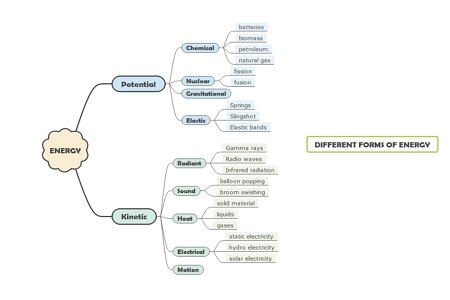
A brace map is a powerful visual tool used in education to organize and structure information. It acts as a guiding framework for brainstorming, categorizing, and analyzing data. When faced with complex concepts or ideas, a brace map can provide clarity and enhance understanding. Through its interconnected branches and clear relationships, a brace map helps to simplify and streamline information. Let’s delve deeper into the world of brace maps and uncover their significance in educational settings.

What Is a Brace Map: A Detailed Exploration
The Basics: Understanding the Concept of a Brace Map
Imagine you have a big puzzle in front of you, and you need to figure out how all the pieces fit together. Well, a brace map is like a special tool that helps you organize your thoughts and ideas to solve that puzzle. Brace maps are super cool because they help you break down information into smaller parts, making it easier to understand and remember.
Breaking It Down: How Brace Maps Work
Brace maps have two main parts: a central topic or idea, and branches that connect to the central topic. These branches help you expand on the main idea and explore different aspects of it. It’s like having a tree with branches that represent different details related to the main topic.
Visualizing Information: Why Brace Maps Are Helpful
One of the best things about brace maps is that they are visual tools. This means you get to draw and doodle while you learn – how fun is that? When you draw a brace map, you can see the connections between different ideas, which makes it easier for your brain to understand and remember the information.
Using Brace Maps in Different Subjects
Brace maps are not just for one type of information – you can use them in many different subjects to help you study, organize your thoughts, and get creative. Let’s explore how you can use brace maps in different areas:
Mathematics
In math, brace maps can help you break down complex problems into smaller, more manageable parts. You can use a brace map to list the steps needed to solve a math equation or to show the relationship between different math concepts.
Science
When you’re learning about scientific concepts like the water cycle or the parts of a plant, a brace map can be your best friend. You can use it to illustrate the different stages of a process or to label the parts of a system.
Language Arts
Brace maps can also be handy in language arts. You can use them to brainstorm ideas for a story, organize the plot of a book you’re reading, or even map out the characteristics of a character in a novel.
Steps to Create a Brace Map
Now that you know what a brace map is and how it can help you, let’s dive into how you can create your very own brace map. Follow these simple steps:
Step 1: Choose Your Main Idea
Start by deciding what main idea or topic you want to explore. This could be anything from a math problem to a science concept or even a story plot.
Step 2: Draw a Center Circle
Draw a circle in the center of a piece of paper and write your main idea inside the circle. This is like the heart of your brace map.
Step 3: Create Branches
From the center circle, draw branches outwards to represent different aspects or details related to the main idea. Label each branch with a short description or keyword.
Step 4: Add Details
As you expand on each branch, you can further divide the information into more specific details by adding smaller branches or bubbles. This helps you organize your thoughts hierarchically.
Benefits of Using Brace Maps
Now that you’re a brace map pro, let’s talk about why using brace maps can make a big difference in your learning journey:
Improved Understanding
Brace maps help you see the big picture while also focusing on the important details. This dual perspective can improve your understanding of complex topics and make learning more enjoyable.
Enhanced Memory Retention
Since brace maps are visual and interactive, they engage both sides of your brain – the creative side and the logical side. This dual engagement can help you remember information better and for longer periods.
Organized Thinking
Brace maps force you to organize your thoughts in a structured way. By breaking down information into smaller parts and connecting them visually, you can think more clearly and critically about a topic.
Conclusion: Embrace the Brace Map!
So, there you have it – the wonderful world of brace maps! These nifty tools can help you tackle any problem, understand any concept, and unleash your creativity like never before. Whether you’re a math whiz, a science enthusiast, or a budding writer, brace maps are here to guide you on your learning journey. So grab a pen, draw a circle, and start exploring the power of brace maps today!
How Do You Use a Brace Map?
Frequently Asked Questions
What are the components of a brace map?
A brace map consists of a main topic at the center with subtopics branching out from it. The subtopics can be categories, examples, details, or characteristics related to the main topic. Each subtopic is connected to the main topic with a line and braces, indicating the relationship.
How is a brace map different from other graphic organizers?
A brace map is specifically used to organize hierarchical information, showing the relationship between the main topic and its subtopics in a structured manner. Unlike other graphic organizers, brace maps focus on categorizing and organizing information based on hierarchy and connections.
What is the purpose of creating a brace map?
The main purpose of a brace map is to visually represent the hierarchical structure of a topic or concept. It helps in organizing information, identifying relationships, and understanding the connections between the main topic and its subtopics. Brace maps are commonly used in educational settings to enhance learning and comprehension.
Final Thoughts
A brace map is a versatile graphic organizer that helps visually represent different relationships and hierarchies within a topic. It effectively demonstrates the connections between main ideas and supporting details. Using a brace map can enhance learning comprehension and critical thinking skills. This tool is a valuable resource for students and educators alike, aiding in organizing thoughts and information in a clear and structured manner. In conclusion, a brace map is an essential tool for visual learners, facilitating a deeper understanding of complex topics.