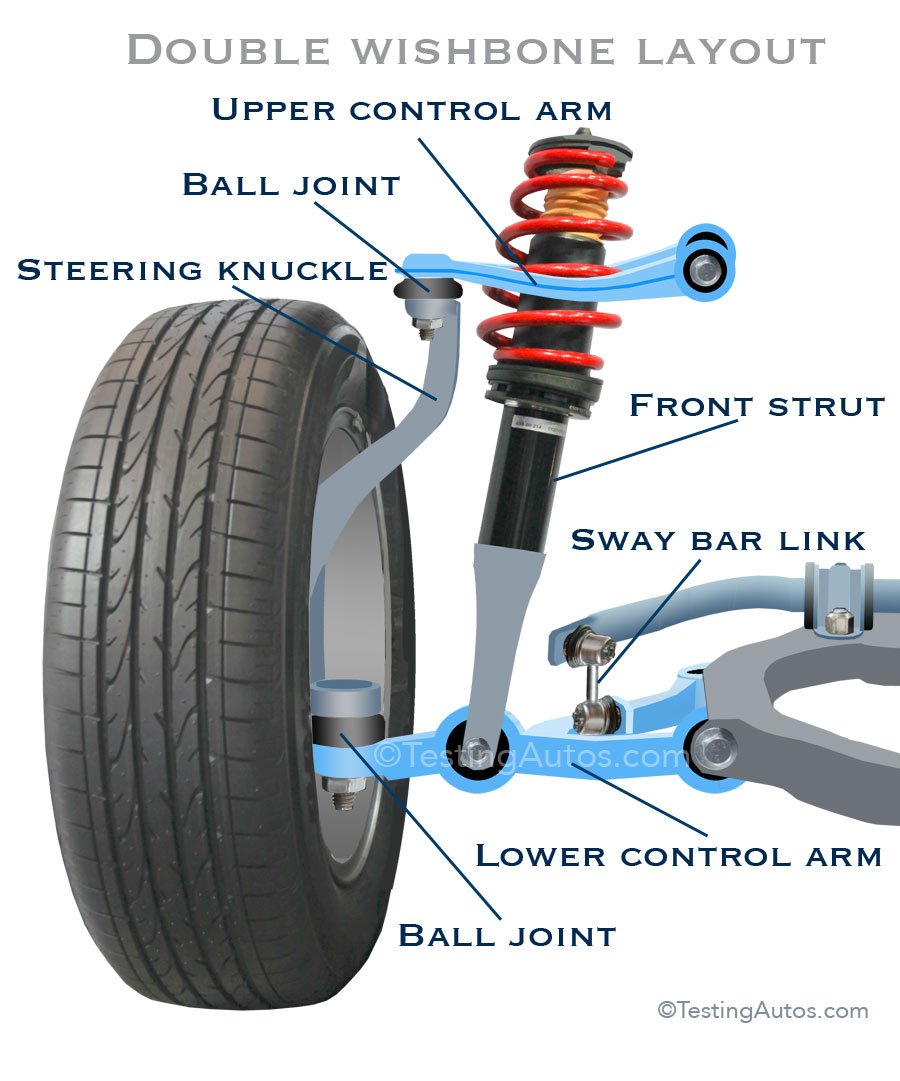
A lower control arm on a car is a vital component that plays a crucial role in the vehicle’s suspension system. Responsible for connecting the frame of the car to the front wheels, the lower control arm ensures stability and smooth handling while driving. This sturdy metal arm is designed to withstand the rigors of the road, providing support and control for the car’s movements. Understanding the function and maintenance of the lower control arm is essential for ensuring a safe and comfortable driving experience.

What is a Lower Control Arm on a Car?
Welcome, young auto enthusiasts! Today, we are diving into the fascinating world of car parts, and our spotlight is on the lower control arm. Have you ever wondered what makes a car move smoothly or how it tackles turns on the road? Well, the lower control arm plays a crucial role in providing stability and control to a vehicle. Let’s explore together what exactly a lower control arm is and why it’s an essential component of your car’s suspension system.
The Basics of a Lower Control Arm
Imagine you are riding a bicycle. When you turn the handlebars, the front wheel changes direction smoothly. This happens because of the fork that holds the wheel in place. Similarly, a car’s lower control arm is like a fork, but for the wheels of a car. It connects the wheels to the car’s frame and helps in controlling the up and down movement of the wheels as the car travels over bumps and uneven roads.
The lower control arm is typically a sturdy metal bar that is shaped like a letter ‘L.’ One end of the arm is attached to the car’s frame, while the other end connects to the steering knuckle, which holds the wheel. This setup allows the lower control arm to move up and down as the wheels encounter obstacles on the road, providing stability and control to the vehicle.
Functions of a Lower Control Arm
Now that we know what a lower control arm looks like, let’s explore its role in keeping your car running smoothly. The lower control arm performs several important functions, including:
1. Supporting the Weight of the Vehicle
One of the primary functions of the lower control arm is to support the weight of the car. As you drive, the weight of the vehicle rests on the lower control arms, ensuring that the wheels stay firmly planted on the road surface. This helps in maintaining traction and stability while driving.
2. Absorbing Shocks and Vibrations
Another crucial role of the lower control arm is to absorb shocks and vibrations from the road. When you drive over bumps or rough terrain, the lower control arm allows the wheels to move up and down independently, reducing the impact felt inside the car. This helps in providing a smoother and more comfortable ride for the driver and passengers.
3. Allowing for Smooth Steering and Handling
The lower control arm also plays a significant role in steering and handling. By connecting the wheels to the car’s frame, the lower control arm helps in maintaining the alignment of the wheels and controlling their movement during turns. This ensures that the car responds accurately to the driver’s steering inputs, making it easier to navigate corners and curves.
4. Maintaining Wheel Alignment
Proper wheel alignment is essential for safe and efficient driving. The lower control arm helps in maintaining the correct alignment of the wheels by keeping them perpendicular to the road surface. This reduces tire wear, improves fuel efficiency, and enhances overall driving performance.
Signs of a Bad Lower Control Arm
Like all car parts, the lower control arm can wear out over time due to constant use and exposure to road conditions. It’s important to be aware of the signs that indicate a faulty lower control arm, including:
1. Clunking or Rattling Noise
If you hear unusual noises coming from the front of your car, such as clunking or rattling sounds when driving over bumps, it could be a sign of a worn-out lower control arm. The noises may indicate that the control arm bushings or ball joints are damaged and need to be replaced.
2. Uneven Tire Wear
Inspect your tires regularly for signs of uneven wear, such as excessive wear on one side or in the center. Uneven tire wear can be a result of a misaligned lower control arm, causing the tires to make uneven contact with the road surface. This can lead to poor handling and reduced traction.
3. Steering Wheel Vibration
If you feel vibrations in the steering wheel while driving, especially at higher speeds, it could be a sign of a failing lower control arm. The vibrations may indicate that the control arm is not able to properly absorb shocks and vibrations, affecting the overall driving experience.
4. Handling Issues
A faulty lower control arm can lead to handling issues such as excessive body roll, difficulty steering, or instability during braking. If you notice any changes in the way your car handles or drives, it’s essential to have the lower control arm inspected by a professional mechanic.
Importance of Regular Maintenance
Just like you need to take care of your toys to keep them in good condition, cars also require regular maintenance to ensure they run smoothly. Checking and maintaining the lower control arm as part of your car’s routine maintenance can help prevent more significant problems down the road. Here are a few tips to keep your lower control arm in top shape:
1. Inspect the Control Arm Regularly
During your routine vehicle inspections, take a close look at the lower control arm for any signs of damage, rust, or wear. Pay attention to the bushings, ball joints, and mounting points for any looseness or excessive movement. If you notice any issues, have them addressed promptly by a professional mechanic.
2. Follow the Manufacturer’s Guidelines
Refer to your car’s owner’s manual for specific maintenance schedules and recommendations for caring for the suspension system, including the lower control arm. Following the manufacturer’s guidelines can help prolong the life of the control arm and prevent premature wear and tear.
3. Address Issues Promptly
If you suspect any problems with your car’s suspension system or lower control arm, don’t ignore them. Addressing issues promptly can prevent further damage and ensure the safety and performance of your vehicle. Regular visits to a qualified mechanic can help identify and resolve any potential issues early on.
In Summary
So, young auto enthusiasts, now you know all about the lower control arm and its importance in keeping your car running smoothly. From supporting the weight of the vehicle to maintaining wheel alignment and enhancing handling, the lower control arm plays a vital role in your car’s suspension system. Remember to keep an eye out for signs of a bad lower control arm and prioritize regular maintenance to ensure your car stays in top condition. With a well-maintained lower control arm, you can enjoy a safe and comfortable ride wherever your adventures take you!
Symptoms Of A Bad Control Arm You Should NOT Ignore
Frequently Asked Questions
What is the function of a lower control arm on a car?
The lower control arm on a car plays a crucial role in the suspension system. It connects the steering knuckle to the vehicle frame, helping to control the vertical movement of the wheels as the car travels over bumps or rough roads. It also assists in maintaining the proper alignment of the wheels, ensuring stability and handling.
How do lower control arms impact the overall driving experience?
Lower control arms are essential for providing a smooth and comfortable ride. They help absorb shocks and vibrations from the road surface, allowing for better handling and steering response. Additionally, properly functioning control arms contribute to overall vehicle safety by keeping the wheels aligned and in contact with the road.
What are the signs of a failing lower control arm?
Common signs of a failing lower control arm include knocking or clunking noises coming from the front suspension, uneven tire wear, steering wheel vibration, and a noticeable decrease in handling performance. If you experience any of these symptoms, it is advisable to have your control arms inspected by a qualified mechanic.
How often should lower control arms be inspected or replaced?
Lower control arms should be inspected as part of regular vehicle maintenance, especially during routine inspections or when experiencing symptoms of wear and tear. Depending on driving conditions and mileage, control arms may need to be replaced every 80,000 to 100,000 miles. However, it is best to follow the manufacturer’s recommendations for your specific vehicle.
Final Thoughts
In conclusion, the lower control arm on a car is a crucial component of the suspension system. It plays a significant role in maintaining stability and controlling the movement of the wheels. By connecting the wheels to the frame of the vehicle, the lower control arm ensures a smooth and controlled ride. Regular inspection and maintenance of the lower control arm are essential for safe driving.