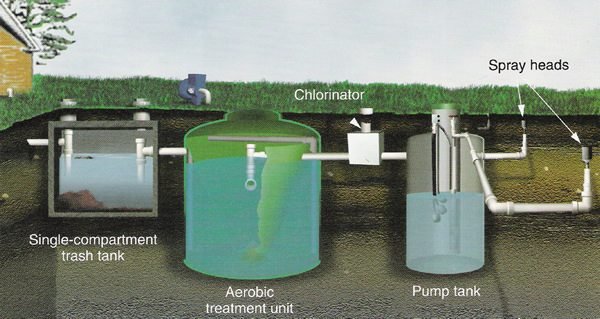
An alternative septic system is a revolutionary approach to wastewater treatment. Unlike traditional septic systems, these innovative solutions offer eco-friendly and cost-effective ways to manage household sewage. By harnessing advanced technologies like aerobic treatment units or constructed wetlands, alternative septic systems provide sustainable options for homeowners. Let’s delve into the world of alternative septic systems and discover how they are shaping the future of wastewater management.

What Is an Alternative Septic System?
Septic systems are common in rural areas where homes are not connected to a centralized sewer system. These systems treat and dispose of household wastewater onsite. While traditional septic systems work well for many homes, some properties may require alternative septic systems due to specific site conditions or regulatory requirements. In this article, we will explore what alternative septic systems are and how they differ from conventional systems.
Understanding Conventional Septic Systems
Before diving into alternative septic systems, it’s essential to understand how traditional septic systems work. In a conventional septic system, wastewater from your home flows into a septic tank, where solids settle at the bottom and liquids flow into a drain field for further treatment. The soil in the drain field acts as a natural filter, removing harmful bacteria and contaminants before the water percolates into the ground.
While conventional septic systems are effective in many situations, they may not be suitable for every property. Factors such as soil composition, lot size, and proximity to water bodies can impact the performance of a traditional septic system. In such cases, alternative septic systems may be necessary.
Types of Alternative Septic Systems
Alternative septic systems are designed to address specific challenges that traditional systems may not be able to handle effectively. These systems incorporate advanced technologies to enhance the treatment and disposal of wastewater. Here are some common types of alternative septic systems:
1. Aerobic Treatment Units (ATUs)
Aerobic treatment units are advanced septic systems that introduce oxygen into the treatment process, promoting the growth of aerobic bacteria that break down organic matter more efficiently than anaerobic bacteria found in conventional systems. ATUs are suitable for properties with poor soil quality or limited space for a drain field.
2. Mound Systems
Mound systems are elevated drain fields constructed above the natural soil surface. These systems are used in areas with high groundwater levels, shallow bedrock, or poor soil drainage. Wastewater is pumped to the mound, where it is distributed and treated before percolating into the underlying soil.
3. Drip Distribution Systems
Drip distribution systems deliver wastewater directly to the soil through a network of small tubing or emitters. This method provides more controlled and uniform distribution of effluent, making it suitable for sites with limited space or challenging soil conditions. Drip systems can improve treatment efficiency and reduce the risk of groundwater contamination.
Benefits of Alternative Septic Systems
Alternative septic systems offer several advantages over traditional systems, including:
- Improved treatment efficiency
- Greater flexibility in site selection
- Reduced environmental impact
- Compliance with stricter regulatory requirements
By utilizing innovative technologies and design features, alternative septic systems can provide effective wastewater treatment solutions for properties that may face challenges with conventional systems.
Considerations for Choosing an Alternative Septic System
When considering an alternative septic system for your property, several factors should be taken into account:
1. Site Conditions
Assess the soil composition, lot size, groundwater levels, and other site-specific factors to determine the most suitable type of alternative septic system for your property.
2. Regulatory Requirements
Check local regulations and permitting requirements to ensure compliance when installing an alternative septic system. Some systems may require regular maintenance and monitoring to meet environmental standards.
3. Long-Term Costs
Consider the initial installation costs as well as ongoing maintenance expenses associated with alternative septic systems. While these systems may offer benefits in terms of performance, they may also require additional investments compared to traditional systems.
In Conclusion
Alternative septic systems provide innovative solutions for properties that face challenges with traditional septic systems. By incorporating advanced technologies and design features, these systems offer improved treatment efficiency and environmental performance. When considering an alternative septic system, it is essential to assess site conditions, regulatory requirements, and long-term costs to determine the most suitable option for your property.
Whether you are building a new home or upgrading an existing septic system, exploring alternative options can help ensure effective wastewater treatment and environmental protection for your property.
What is an Innovative/Alternative Septic System?
Frequently Asked Questions
What are some examples of alternative septic systems?
Alternative septic systems include aerobic treatment units (ATUs), mound systems, drip irrigation systems, and sand filter systems. These systems are designed to address specific site conditions or provide advanced treatment beyond conventional septic systems.
How do alternative septic systems differ from traditional septic systems?
Alternative septic systems differ from traditional systems by incorporating additional treatment processes or specialized components to achieve higher levels of effluent quality or address challenging soil conditions. They often utilize technology to enhance treatment efficiency.
What are the benefits of using an alternative septic system?
Alternative septic systems offer benefits such as improved treatment of wastewater, reduced environmental impact, flexibility in challenging site conditions, and potential for reuse of treated effluent for irrigation. These systems can also help extend the lifespan of the drain field.
Final Thoughts
In conclusion, an alternative septic system offers innovative solutions for properties with challenging soil conditions or limited space. These systems utilize advanced technology to treat wastewater effectively, ensuring environmental sustainability. By incorporating components such as aerobic treatment units or drip irrigation systems, alternative septic systems can provide efficient and reliable wastewater treatment. Understanding what an alternative septic system is and how it functions is crucial for homeowners looking for modern and eco-friendly septic solutions.