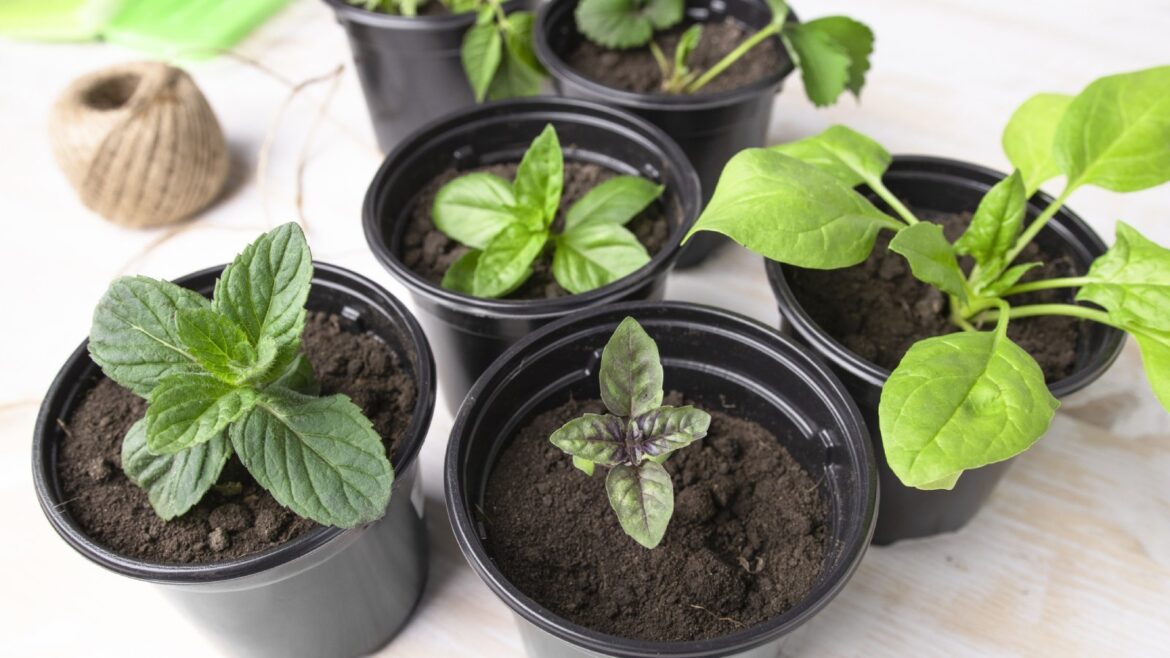
Certain vegetables, such as broccoli, cauliflower, and Brussels sprouts, do not thrive well when grown in peat moss. Peat moss, although a popular choice for many plants, can be too acidic for these particular vegetables. It’s essential to understand the preferences and needs of each vegetable to ensure a successful harvest. By exploring alternative growing mediums, you can provide the ideal conditions for what vegetables do not like peat moss. Let’s delve into why these vegetables may not be the best match for this particular soil amendment.

What Vegetables Do Not Like Peat Moss
Welcome, young gardeners! Today, we are going to dive into the fascinating world of gardening and explore a topic that can help you become a pro in no time – what vegetables do not like peat moss. Peat moss is a popular ingredient in many gardening mixes, but did you know that some veggies don’t thrive when grown in peat moss? Let’s find out which vegetables prefer other types of soil and why.
What is Peat Moss?
Before we delve into the vegetables that don’t like peat moss, let’s understand what peat moss actually is. Peat moss, also known as sphagnum peat, is a natural organic material harvested from peat bogs. It is widely used in gardening for its ability to retain moisture and improve soil structure. However, peat moss is acidic and has certain properties that may not be suitable for all plants.
Vegetables That Thrive Without Peat Moss
While peat moss can benefit many plants, some vegetables prefer different soil conditions. Let’s explore a few vegetables that do not thrive when grown in peat moss:
Tomatoes
Tomatoes are popular garden plants that prefer slightly acidic soil. Peat moss, being acidic itself, can make the soil too acidic for tomatoes, leading to stunted growth and poor fruit development. Instead of peat moss, you can use compost or well-draining soil mixed with perlite for your tomato plants.
Carrots
Carrots are root vegetables that require loose, well-drained soil to develop straight and healthy roots. Peat moss tends to compact over time, making it unsuitable for growing carrots. Opt for sandy soil or a mix of compost and vermiculite to provide the right growing conditions for your carrots.
Peppers
Peppers are another vegetable that dislikes acidic soil, which can result from using peat moss. Peppers thrive in well-drained, slightly acidic soil with plenty of organic matter. Consider using coconut coir or perlite as alternatives to peat moss when growing peppers.
Alternative Soil Amendments for Vegetable Gardening
Now that we know which vegetables do not like peat moss, let’s explore some alternative soil amendments that can benefit these veggies:
Compost
Compost is a nutrient-rich soil amendment made from organic matter like kitchen scraps, yard waste, and manure. It helps improve soil structure, adds essential nutrients, and supports beneficial soil organisms. Many vegetables, including lettuce, squash, and beans, thrive in soil amended with compost.
Coconut Coir
Coconut coir, also known as coco coir, is a sustainable alternative to peat moss. It retains moisture well, improves soil aeration, and has a neutral pH. Vegetables like cucumbers, zucchinis, and melons do well in soil mixed with coconut coir.
Vermiculite
Vermiculite is a mineral that improves soil drainage and aeration. It helps prevent soil compaction and allows roots to access oxygen easily. Vegetables such as spinach, radishes, and beets benefit from the addition of vermiculite to the soil.
In conclusion, while peat moss is a useful soil amendment for many plants, some vegetables prefer different growing conditions. By understanding which vegetables do not like peat moss and exploring alternative soil amendments, you can create the perfect environment for your garden to flourish. Experiment with different soil mixes and observe how your vegetables respond to find the best growing conditions for each crop. Happy gardening!
Is peat moss good for grass? What vegetables do not like peat moss? How to make peat moss?
Frequently Asked Questions
Which vegetables may not thrive when grown in soil enriched with peat moss?
Some vegetables, such as potatoes and sweet potatoes, may not grow as well in soil amended with peat moss due to its acidic nature. These plants prefer a more neutral pH level to thrive.
How does peat moss affect the growth of carrots and beets?
Carrots and beets are root vegetables that may not develop properly in soil containing peat moss. The high acidity of peat moss can hinder the development of their roots, impacting the overall yield and quality of the crops.
Can tomatoes and peppers be negatively impacted by peat moss in the soil?
Tomatoes and peppers generally prefer a slightly acidic to neutral pH level for optimal growth. Soil supplemented with peat moss, which tends to be more acidic, may not provide the ideal conditions for these vegetables to thrive, potentially affecting their yield and fruit quality.
Final Thoughts
In conclusion, it is important to consider that certain vegetables do not thrive when grown in peat moss. Plants such as spinach, beets, and broccoli prefer soil with lower acidity levels and higher nutrient content. Therefore, it is beneficial to avoid using peat moss for these particular vegetables to ensure optimal growth and development. Understanding what vegetables do not like peat moss can help gardeners make informed choices and create suitable growing environments for their crops.