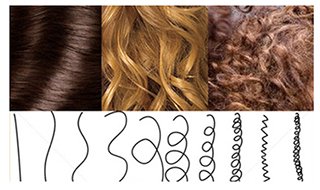
Curly hair, a crowning glory admired by many, is a distinctive trait. So, what percent of the population has curly hair? Surprisingly, around 65-90% of the global population has some form of curl in their locks. From loose waves to tight coils, curly hair comes in various textures and patterns, contributing to the diverse beauty seen worldwide. Let’s delve deeper into the genetic, cultural, and scientific aspects that shape this fascinating aspect of human diversity.

What Percent of the Population Has Curly Hair
Curly hair is a beautiful and unique trait that many people around the world have. Have you ever wondered how common or rare it is to have curly hair? In this blog post, we will explore the percentage of the population that has curly hair, the genetics behind curly hair, tips for taking care of curly hair, and fun facts about curly hair.
Understanding Curly Hair
Curly hair comes in all shapes and sizes, from loose waves to tight coils. It is characterized by its natural texture and shape, which is determined by the structure of the hair follicle. Curly hair tends to be more prone to frizz and dryness compared to straight hair, requiring special care and attention to keep it healthy and looking its best.
Genetics of Curly Hair
Curly hair is determined by genetics, meaning it is inherited from your parents. The shape of the hair follicle, which is either straight or curved, dictates the type of hair you have. If both of your parents have curly hair, there is a higher chance that you will also have curly hair. However, genetics can be complex, and it is possible to have straight-haired parents and still be born with curly hair due to recessive genes.
Percentage of the Population with Curly Hair
Estimating the exact percentage of the population that has curly hair can be challenging since hair texture can vary greatly among individuals. However, studies and surveys suggest that approximately 65-85% of the world’s population has some form of curl pattern in their hair. This includes a wide range of curl types, from loose curls to tight coils.
When looking at specific regions and ethnicities, the percentage of people with naturally curly hair can vary. For example, individuals of African descent are more likely to have tightly coiled hair, while individuals of European descent may have looser curls or waves. Asian populations, on the other hand, tend to have straighter hair, but there is still a percentage with naturally curly hair.
Factors Influencing Curly Hair
Several factors can influence the percentage of the population with curly hair, including climate, ethnicity, and cultural practices. In humid regions, where there is higher moisture content in the air, curly hair tends to be more common due to its tendency to absorb and retain moisture, leading to the formation of curls. In contrast, drier climates may result in straighter hair textures.
Ethnicity also plays a significant role in determining the prevalence of curly hair within a population. As mentioned earlier, individuals of African descent are more likely to have curly or coily hair, while those of European or Asian descent may have different curl patterns or straight hair. These variations are a result of evolutionary adaptations to different environments and climates over time.
Taking Care of Curly Hair
Caring for curly hair requires a different approach compared to straight hair. Curly hair is more prone to dryness and damage, so it is essential to use products that provide moisture and protection. Here are some tips for taking care of curly hair:
1. Hydration is Key
Curly hair thrives on moisture, so it is crucial to keep your hair hydrated by using conditioner regularly. Look for hydrating and moisturizing products that are specifically designed for curly hair to nourish and protect your locks.
2. Gentle Handling
Avoid harsh brushing or combing, as this can cause breakage and frizz in curly hair. Instead, use a wide-tooth comb or your fingers to detangle gently when your hair is wet and coated with conditioner to prevent damage.
3. Styling Tips
When styling curly hair, opt for methods that minimize heat and manipulation. Air-drying or using a diffuser on a low heat setting are gentle ways to style curly hair without causing damage. Experiment with different styling techniques to find what works best for your hair type.
Fun Facts About Curly Hair
Curly hair is not just a genetic trait; it is also a fascinating aspect of human diversity. Here are some fun facts about curly hair that you may not know:
1. Curly Hair is Versatile
Curly hair can be styled in various ways, from bouncy curls to sleek updos. Its natural texture allows for creativity and versatility, making it fun to experiment with different hairstyles and looks.
2. Curly Hair is Resilient
Despite its tendency to frizz and tangle, curly hair is incredibly resilient and can withstand various styling methods and environmental factors. With proper care and maintenance, curly hair can remain healthy and vibrant.
3. Curly Hair is Unique
Each curl pattern is unique to the individual, making curly hair a distinct and personal feature. Embrace your curls and celebrate the beauty of your natural hair texture, as it is a part of what makes you uniquely you.
In conclusion, curly hair is a common and diverse trait that is found in a significant percentage of the population worldwide. Whether you have loose waves or tight coils, curly hair is a beautiful and unique feature that adds character and personality to your look. By understanding the genetics, care tips, and fun facts about curly hair, you can appreciate and embrace your natural hair texture with confidence and pride.
Curl talk: Best styles, products and tips to rocking your natural curls
Frequently Asked Questions
What is the percentage of people with curly hair in the population?
Approximately 65% of the global population has straight hair, while around 15-20% of people have naturally curly hair. This means that curly hair is less common compared to straight hair.
Are there regional differences in the percentage of people with curly hair?
Yes, there are regional variations in the prevalence of curly hair. For instance, individuals of African and Mediterranean descent are more likely to have naturally curly hair compared to those from East Asian or Northern European backgrounds.
Does the percentage of people with curly hair change with age?
While the percentage of people with curly hair remains relatively constant across age groups, some individuals may experience changes in their hair texture due to factors such as hormonal fluctuations, health conditions, or external influences like heat styling.
Is the percentage of curly-haired individuals consistent among different gender identities?
The percentage of people with curly hair is not significantly different based on gender identity. Both males and females, as well as individuals of other gender identities, can have naturally curly hair at similar rates.
Final Thoughts
Curly hair is a unique trait that adds diversity to our society. Approximately 65-90% of the population has some form of curly or wavy hair. Embracing natural curls can empower individuals to embrace their unique characteristics. Understanding what percent of the population has curly hair can promote inclusivity and celebrate diversity in our communities.