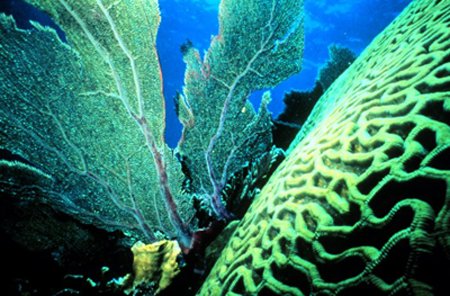
What plants live in the coral reef? Surprisingly, not many. The coral reef is primarily dominated by marine algae rather than traditional plants. These algae, like seaweeds and phytoplankton, play a vital role in the ecosystem, providing food and oxygen for the reef inhabitants. However, some plant species do exist in this vibrant underwater world, offering unique insights into the biodiversity of these delicate ecosystems. Let’s explore the fascinating botanical life that thrives in the colorful coral reef.

Exploring the Colorful World: What Plants Live in the Coral Reef
Welcome, young explorers, to the vibrant and mystical world of the coral reef! Today, we are going to dive deep into the fascinating realm of underwater plants that call the coral reef their home. From swaying sea grass to brightly colored algae, the plant life in the coral reef plays a crucial role in supporting the diverse marine ecosystem that thrives beneath the waves. Let’s put on our imaginary scuba gear and embark on an exciting journey to discover what plants live in the coral reef!
The Importance of Plants in the Coral Reef
Before we dive into the specific types of plants that inhabit the coral reef, let’s first understand why these plant species are essential to the health and survival of this unique ecosystem. Plants in the coral reef, also known as marine flora, play a vital role in providing food, shelter, and oxygen to a wide variety of marine animals that rely on them for survival.
Just like plants on land, underwater plants in the coral reef undergo photosynthesis, a process where they use sunlight to produce their food and release oxygen into the water. This oxygen is crucial for the many fish, invertebrates, and other creatures that live in the coral reef habitat. Additionally, the structure of plant life in the coral reef provides hiding places for small fish and other marine organisms, allowing them to evade predators and thrive in their underwater world.
Types of Plants in the Coral Reef
1. Seagrasses
One of the most common types of plants found in the coral reef ecosystem is seagrass. Seagrasses are flowering plants that have adapted to live fully submerged in salty seawater. These plants form extensive underwater meadows that provide habitat for a wide range of marine life, including seahorses, crabs, and shrimp.
Seagrasses are not only important for the animals that live in the coral reef but also play a crucial role in stabilizing the sandy seabed. Their roots help prevent erosion and maintain water clarity by trapping sediments that would otherwise cloud the water. Some common types of seagrasses found in coral reefs include turtle grass, manatee grass, and paddleweed.
2. Algae
Algae are another essential group of plants that thrive in the coral reef environment. Algae come in various forms, from the microscopic phytoplankton that drift in the water to the larger seaweeds that cling to rocks and coral structures. These plants are known for their incredible diversity and play a vital role in the reef ecosystem.
Green algae, red algae, and brown algae are commonly found in coral reefs, each contributing to the ecosystem in different ways. Green algae, for example, are primary producers that form the base of the food chain, while red algae are important for reef-building corals as they provide essential nutrients. Brown algae, on the other hand, offer shelter and food for a variety of reef-dwelling creatures.
3. Coraline Algae
Coraline algae are a unique type of algae that play a critical role in the growth and development of coral reefs. These algae secrete calcium carbonate, which helps strengthen and stabilize the reef structure. Coraline algae come in various colors, including pink, purple, and red, and can be found encrusting the surfaces of rocks, corals, and other substrates in the reef environment.
In addition to their structural support, coraline algae also provide food for herbivorous marine animals such as parrotfish and sea urchins. Their presence is essential for the overall health and biodiversity of the coral reef ecosystem, making them a key player in the underwater plant community.
Threats to Coral Reef Plants
Despite their importance, plants in the coral reef face a variety of threats that jeopardize their survival. Climate change, pollution, overfishing, and habitat destruction are some of the primary challenges that impact the health of coral reef plants. Rising sea temperatures, in particular, can lead to coral bleaching events that harm not only the corals but also the plants that rely on them for shelter and support.
It is crucial for us to understand the significance of coral reef plants and the role they play in sustaining this delicate ecosystem. By learning about and protecting these plants, we can help preserve the beauty and diversity of the coral reef for generations to come.
As we conclude our underwater adventure exploring the plants in the coral reef, we have gained a deeper appreciation for the beauty and complexity of this magical ecosystem. From the lush seagrass meadows to the colorful coraline algae, each plant species contributes in its unique way to the health and vitality of the coral reef.
Remember, young explorers, we all have a part to play in protecting and preserving the wonders of the coral reef. By learning about the plants that call this underwater world home and understanding the threats they face, we can work together to ensure that the coral reef remains a thriving and vibrant habitat for countless marine creatures.
So, let’s continue our journey of discovery, curiosity, and conservation as we explore the fascinating world of plants in the coral reef!
Coral Reefs 101 | National Geographic
Frequently Asked Questions
What types of plants can be found in the coral reef ecosystem?
In the coral reef ecosystem, various types of plants thrive. Common plant species include algae, seagrasses, and mangroves. These plants play a crucial role in providing food and shelter for many marine organisms.
How do plants contribute to the coral reef ecosystem?
Plants in the coral reef ecosystem contribute significantly to the overall health and stability of the environment. Algae provide food for herbivorous fish and other marine animals, while seagrasses offer habitat and nursery areas for juvenile fish and invertebrates. Mangroves help in protecting the shoreline and serve as breeding grounds for various species.
Why are seagrasses important in the coral reef ecosystem?
Seagrasses are essential in the coral reef ecosystem as they help in stabilizing the seafloor, improving water quality, and providing food and shelter for many marine species. They also play a vital role in carbon storage and sequestration, contributing to the fight against climate change.
Final Thoughts
Various plant species thriving in coral reefs play a vital role in this diverse ecosystem. Sea grasses, seaweeds, and algae are common plant life found in coral reefs. These plants provide food, shelter, and oxygen for many marine creatures. Understanding what plants live in the coral reef is crucial for preserving these delicate ecosystems. Their intricate relationship with other organisms forms the foundation of life in the vibrant and colorful world beneath the waves.